The IRF2025 program will include a number of Plenary and Keynote Lectures by distinguished professionals and scientists in the different areas covered by the main topics and symposia of the conference. To access the short bio-sketchs of the Invited Plenary Speakers and the titles and abstracts of their presentations, please click on the corresponding pictures:
 |
 |
|
|
Prof. Shaker Meguid (U.Toronto, Canada) |
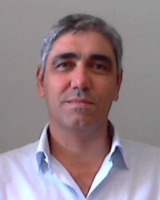
Prof. Humberto Varum (FEUP, Portugal) |
Professor of Mechanical Engineering
MADL/University of Toronto, Canada
Email: meguid@mie.utoronto.ca
Professor
Shaker Meguid is an internationally renowned scholar with significant
contributions in computational and experimental mechanics at varied length
scales. Undoubtedly, his research activities have contributed significantly to
the areas of multiscale modelling, advanced and smart nanocomposites,
crashworthiness, fracture mechanics and failure prevention. He has published 354
papers in leading tier-1 scientific journals, 260 presentations in international
conferences of significance with a large number being invited as keynote and
plenary speaker. He authored 4 books on fracture mechanics, nanomechanics and
micromechanics, edited18 international conference proceedings and contributed 19
book chapters.
He is the Founding Editor-in-Chief of Int. Journal of Mechanics and Materials in Design, former Technical Associate Editor of ASME J. of Engineering Materials and Technology (for two consecutive terms), former Associate Editor of IMechE Journal of Mechanical Process Engineering, Guest Editor to a number of Journals including Mechanics of Materials and a member of the editorial board of numerous journals. He is also the Founding Head of the Aerospace Engineering Division of Nanyang Technological University, Singapore. He taught different branches of mechanics in 4 continents: Europe (Manchester, Oxford (England) and Milano Polytecnico (Italy)), North America (Toronto, Canada), and Asia (NTU, Singapore), Hunan, Peking, and BIT (China), and Africa (Cairo University, Egypt).
He is an Engineering Consultant to the United Nations, a lifetime senior member of AIAA, member of the American Academy of Mechanics, Professional Engineer in the Province of Ontario (PEng), Chartered Engineer in Great Britain (CEng), Fellow of ASME, Fellow of IMechE and Fellow of the Engineering Institute of Canada. He works closely with the aerospace and automotive industries and is regularly approached by members of the media for clarification of engineering issues and accidents.
Professor Meguid and his research team won numerous awards, with the most recent honor being the nomination by his department for the gold medal by the Governor General of Canada, holder of the Robert Hooke Award bestowed by the European Society for Experimental Mechanics, Engineering Award-Research and Development by the Professional Engineers of Ontario for his significant contribution to research and development in Canada.
Title of Presentation
THERMAL BARRIER COATINGS FOR GAS TURBINE ENGINES: STATUS AND PROSPECTS
ABSTRACT
Thermal barrier coatings (TBCs) were adopted in gas turbine engines (GTEs) since the 1950s for high temperature components, such as combustors, high pressure turbine and nozzle (Fig. 1). The use of TBC, along with the advancement in GTEs air-cooling techniques, had enabled higher operating temperature and improved engine thermodynamics efficiency. Alumina and zirconia-calcia are some examples of the early ceramic materials used in GTEs. These early coating materials have been replaced by highly advanced material systems that consist of four layers: substrate, bond coat, thermally grown oxide and a ceramic top coat, as depicted in Fig 2. They are designed to protect high temperature components in GTEs against corrosion, erosion and creep, thus leading to improved engine efficiency and durability. In this keynote lecture, Meguid will review the structure, material properties, inelastic thermo-mechanical behavior of coating, and the resulting failure mechanisms as well as outline future directions of TBCs and summarize current TBC research activities in his laboratory.
Keywords: Thermal Barrier Coatings, Gas Turbine Engines, Modeling & Characterization.


Professor of Civil Engineering
FEUP/CONSTRUCT, University of Porto, Portugal
Email: hvarum@fe.up.pt
Professor
Humberto Varum is full professor at the Civil Engineering Department of the Faculty of Engineering of the University of Porto, Portugal. He is integrated member of CONSTRUCT research unit: Institute of R&D in Structures and Construction.
He has been Seconded National Expert to the ELSA laboratory, Joint Research Centre, European Commission, Italy, in the period July 2009 to August 2010. Since 2015, he is member of the directorate body of the Construction Institute from the University of Porto, and President since 2019. He was member of the Project Team 2 for the development of the 2nd generation of EN Eurocodes (SC8.T2 - material dependent sections of EN 1998-1).
Professor Varum is member of the National Committee of the International Council on Monuments and Sites (ICOMOS), since 2009, and Expert Member of the ICOMOS’s International Scientific Committee of Earthen Architectural Heritage (ISCEAH).
He has participated to post-earthquake field reconnaissance missions, in particular in L’Aquila (Italy, 2009), Lorca (Spain, 2011), Emilia-Romagna (Italy, 2012), Gorkha (Nepal, 2015) and Puebla (Mexico, 2017).
His main research interests include: assessment, strengthening and repair of structures, earthquake engineering, historic constructions conservation and strengthening.
Title of Presentation
SEISMIC BEHAVIOUR OF CONCRETE BUILDINGS: FIELDS LESSONS, STANDARDS AND RESEARCH NEEDS
ABSTRACT
Recent earthquakes demonstrates that many of the existing reinforced concrete buildings structures may not perform adequately in future seismic events, due to several factors, including the design strategy adopted in the project, the irregular characteristics of the structural system, inadequate detailing and the potential influence of non-structural elements in the structural response. In some design situations, designers report difficulties in applying certain rules and requirements included in the codes. On the other hand, the materials, technical solutions and construction systems used in structures and non-structural elements continue to evolve, introducing new levels of complexity and uncertainty in the project. This justifies the research and continued development of seismic design rules and requirements to be included in codes with the aim of achieving rigorous design guidelines, but with an acceptable level of complexity.
Keywords: Civil Engineering, Buildings Structures, Earthquakes, Seismic Design.